Most of us never sit down and consciously write out a definition of the good life, but we are chasing one all the same. It shows up in the job we choose, the neighborhood we hope to live in, the way we plan for retirement, the way we spend a Saturday. Somewhere along the way we picked up a working idea of what will finally make us content, and we have been building toward it ever since. The trouble is that the version of the good life most of us inherited did not come from Jesus. It came from everywhere else, and it quietly shapes far more of our decisions than we realize.
A different definition of blessed
Jesus opens his most famous sermon with a list that would have sounded strange to nearly everyone listening. Blessed are the poor in spirit, he says, for theirs is the kingdom of heaven. Blessed are those who mourn, for they will be comforted. Blessed are the meek, the merciful, the pure in heart, the peacemakers, even those who are persecuted for righteousness (). Nobody naturally lists poverty of spirit or meekness as the ingredients of a good life. We are far more likely to admire confidence, comfort, and success. Jesus is not describing what impresses people. He is describing what it looks like to belong to him, and he is telling us plainly that this, not status or possessions, is where real blessing is found.
That reordering runs through the entire sermon. Jesus keeps taking commands everyone already agreed with and pushing past the surface to the heart underneath them. You have heard it said you shall not murder, he says, but I tell you that anger and contempt toward a brother are already headed in the same direction (). Do not commit adultery, yes, but guard your heart before it ever gets that far (). Keep your word so completely that an oath becomes unnecessary (). None of this is Jesus adding new rules for the sake of rules. It is Jesus showing that goodness was never only about the outward act. It is about what we love, what we are willing to nurse and protect in our hearts, long before it ever becomes visible to anyone else.
What we are actually afraid of
A large part of the sermon deals honestly with something nearly everyone wrestles with, whether we say it out loud or not: what will happen to me. Jesus tells his listeners not to store up treasures on earth, where moth and rust destroy and thieves break in and steal, but to store up treasures in heaven instead (). Then he says something that cuts to the center of it. No one can serve two masters. You cannot serve God and money (). That is not a warning only for people who happen to be wealthy. It is a warning for anyone whose sense of security is quietly propped up by a bank balance, a career, or a plan for the future that leaves God as an afterthought.
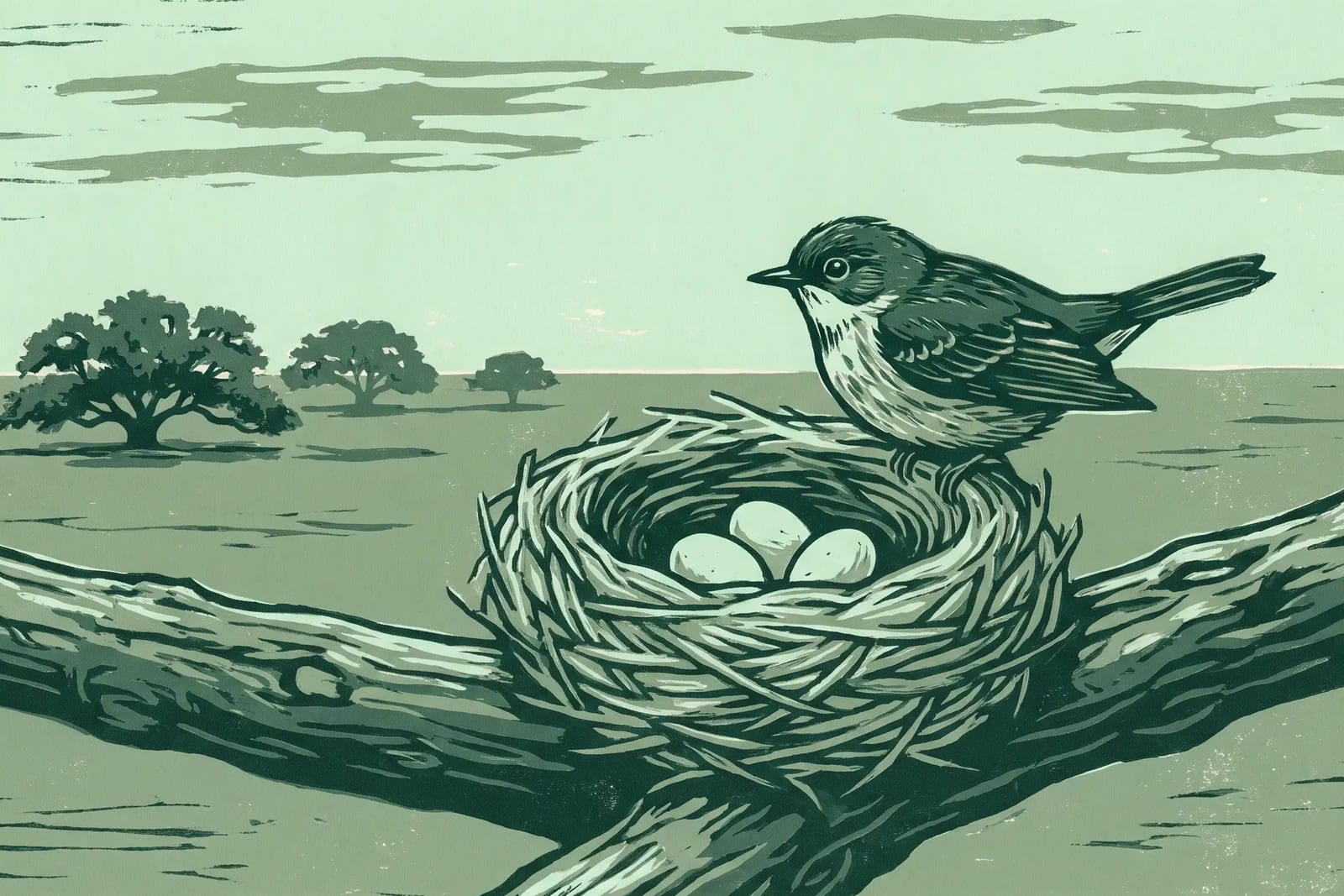
From there Jesus moves straight into the anxieties that come with being human. Do not worry about your life, what you will eat or drink, or about your body, what you will wear (). He is not scolding people for having real needs. He points to birds who are fed and flowers that are clothed in splendor without ever laboring for it, and asks a simple question: are you not worth more than they are ()? Worry does not add a single hour to anyone’s life. It only steals the hours we already have. The answer Jesus offers is not indifference to tomorrow. It is a reordered set of priorities: seek first the kingdom of God and his righteousness, and all these things will be added to you ().
Building on something that will hold
That single verse is the hinge the whole sermon turns on. It does not promise a life free of hardship. It promises that when God’s kingdom and God’s righteousness come first, everything else we tend to chase in a panic finds its proper place. Food, clothing, provision, security, these stop being the foundation and start being what gets added once the foundation is right.
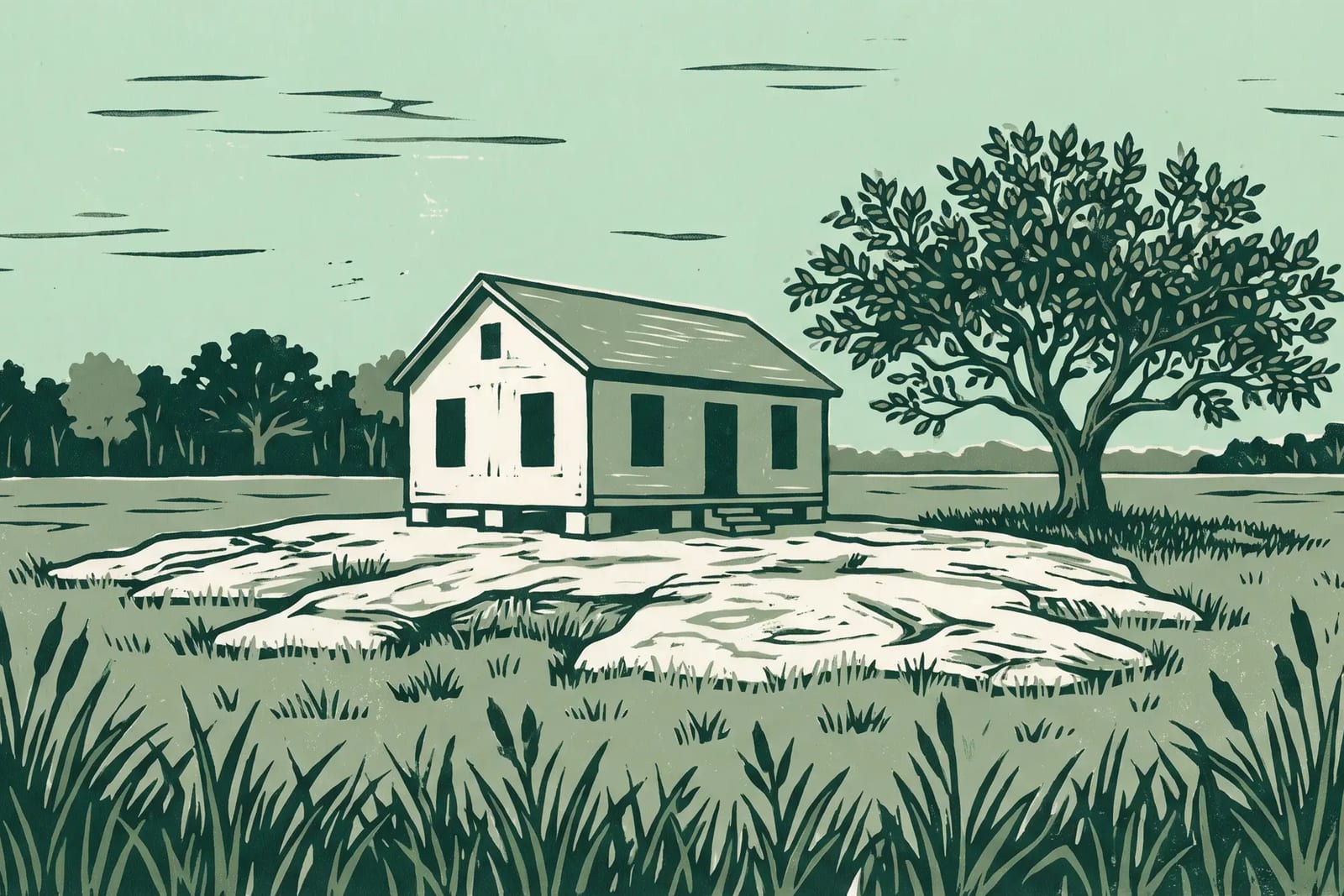
Jesus makes the stakes unmistakable at the very end of the sermon. Everyone who hears these words and does them is like a wise man who built his house on rock. Everyone who hears them and does not do them is like a foolish man who built on sand. The rain falls, the streams rise, the wind blows against both houses, because storms come to every life without exception. The house on the rock stands. The house on the sand collapses, and great is the fall of it (). The difference was never whether a storm would come. It always does. The difference is what was underneath the house the whole time.
This is why the picture Jesus paints of the good life looks so different from the one we tend to draft on our own. A life built on comfort, reputation, or financial security can look impressive for a while, right up until the storm arrives and there is nothing underneath it that can bear the weight. A life built on Christ can go through real loss, real grief, real hardship, and still be standing when it is over, not because the person was unusually strong, but because the foundation itself was strong.
None of this means ordinary life, work, family, and planning ahead, are unimportant or somehow beneath a Christian’s concern. Scripture consistently calls us to do everything, even eating and drinking, for the glory of God (). It means those things stop being the ultimate goal and start being the arena where we live out something bigger. Paul describes this reordering as putting off the old self and being renewed, being raised to walk in newness of life (, ). It is a daily decision to let God’s kingdom, not our own comfort or fear, set the terms for how we spend our time, our money, and our attention.
So it is worth asking honestly what our own lives are actually built on. Not what we would say if someone asked us in the moment, but what our calendars, our worries, and our spending would say if they were left to answer for us. The invitation of the Sermon on the Mount is not to try harder at religion. It is to let Jesus reorder what we are seeking in the first place, to seek first his kingdom and his righteousness, and to trust that everything else genuinely necessary will be added in its proper time.